
Valkyria Chronicles 4 - The Review
Introduction
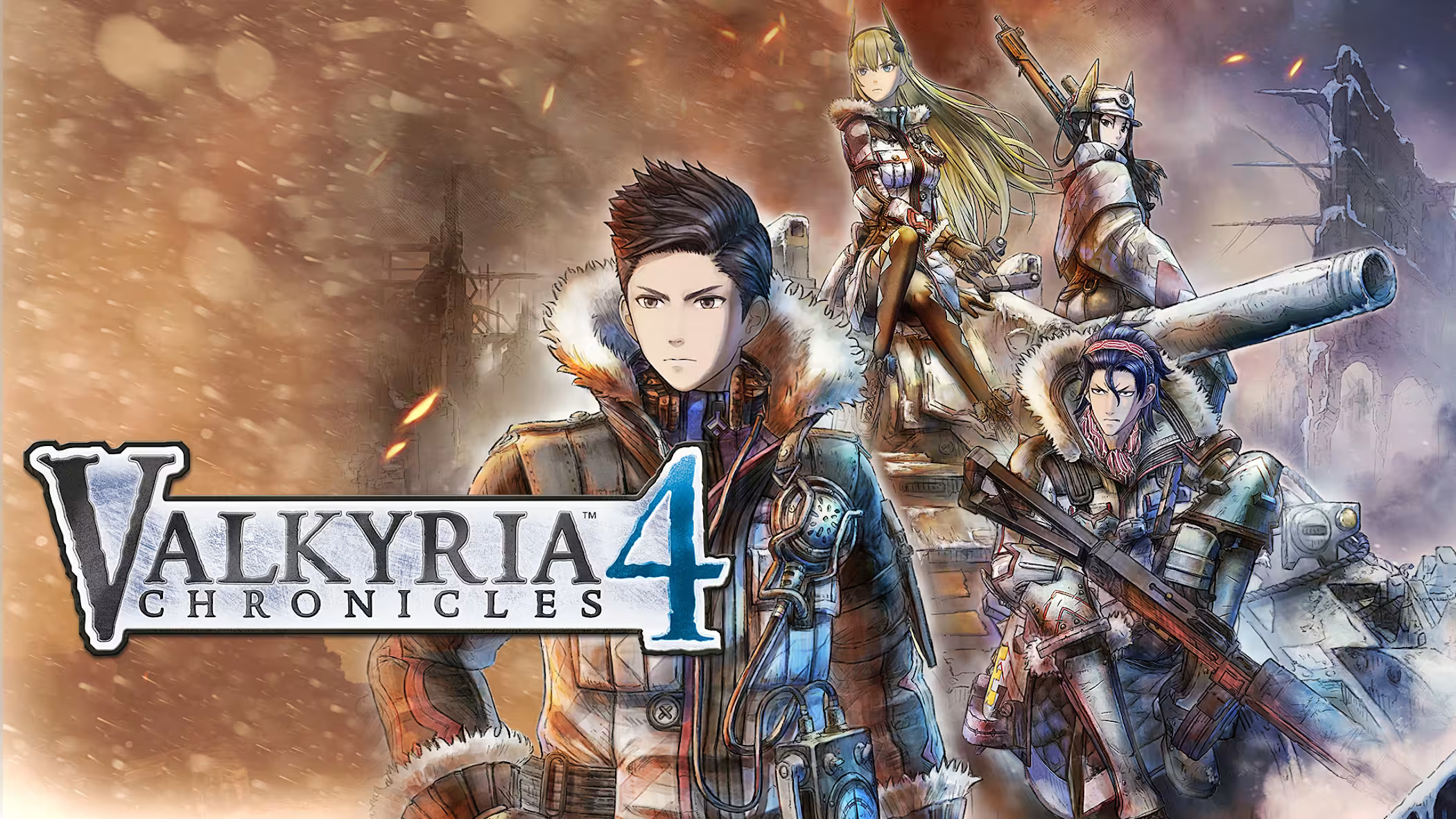
Nearly eight years separated the releases of Valkyria Chronicles 3 and Valkyria Chronicles 4. During that time, the future of the franchise has felt uncertain at times. Valkyria Chronicles 2 had suffered from disappointing sales outside of Japan, Valkyria Chronicles 3 never received an official English localization despite many fans considering it a return to form, and Sega experimented with Valkyria Revolution, a title that ultimately distanced itself from many of the mechanics and themes that had defined the series.
When Valkyria Chronicles 4 was finally announced, it felt like Sega was acknowledging what many long-time fans had been asking for: a return to the style and gameplay of the original game, but on a home console as opposed to a handheld console like the PSP. Rather than continuing the academy setting introduced in Valkyria Chronicles 2 or experimenting with an entirely different direction as they had with Valkyria Revolution, the development team returned to the Second Europan War, the same conflict depicted in the original Valkyria Chronicles and in parallel with the events of Valkyria Chronicles 3.
This decision initially surprised me.
After finally having the opportunity to play Valkyria Chronicles 3 through the first fan translation, I had hoped the next entry in the series would move the timeline either forward or going into the previous war, the first Europan War, rather than revisiting familiar territory once again. By this point, three of the four mainline games would all take place during the Second Europan War, leaving the years following Valkyria Chronicles 2, and the events prior to the Second European War, largely unexplored.
That said, setting Valkyria Chronicles 4 alongside the events of the original game ultimately gave the developers an opportunity to tell a very different story. Rather than focusing on Gallia’s struggle against the Empire, the player instead follows Squad E of the Atlantic Federation during Operation Northern Cross, a large-scale invasion of Imperial territory. This shift in perspective allows the game to explore a side of the conflict that had previously existed largely in the background while simultaneously expanding the world beyond Gallia.
Going into the game, my expectations were admittedly mixed.
Having replayed the original game and completed Valkyria Chronicles 3, I still considered those two titles to represent the high point of the franchise. Although I enjoyed many of the gameplay improvements introduced in Valkyria Chronicles 2, its story and characters never reached the same level as its predecessor. I hoped Valkyria Chronicles 4 would combine the strongest elements of each game: the mature storytelling of the original and third entry’s gameplay refinements.
After completing the game, I think that is largely what Sega accomplished.
While I still have a few reservations regarding certain aspects of the story and some unanswered questions about the broader lore of Europa, Valkyria Chronicles 4 ultimately delivers what may be the strongest overall package the series has offered to date. It refines nearly every gameplay system introduced in previous entries, introduces an engaging new cast of characters, and tells a story that, despite a few missteps, contains some very memorable moments.
Perhaps more importantly, it reminded me why I fell in love with this series in the first place.
Story
Like the original Valkyria Chronicles, the fourth entry in the series is set during the Second Europan War, a conflict that is primarily between the Atlantic Federation and the East Europan Imperial Alliance fought over control of ragnite, the series’ equivalent to petroleum. Rather than returning to Gallia and following another chapter in the country’s struggle for survival, Valkyria Chronicles 4 shifts its focus to the Federation itself.
The player assumes the role of Claude Wallace, a Gallian living in the Federation, commander of Squad E, an elite Ranger unit assigned to Operation Northern Cross, an ambitious Federation campaign designed to invade the Empire and capture its capital before winter arrives. The operation is presented as a decisive offensive that could potentially bring the war to an end, though, as with previous entries in the series, events rarely unfold according to plan.
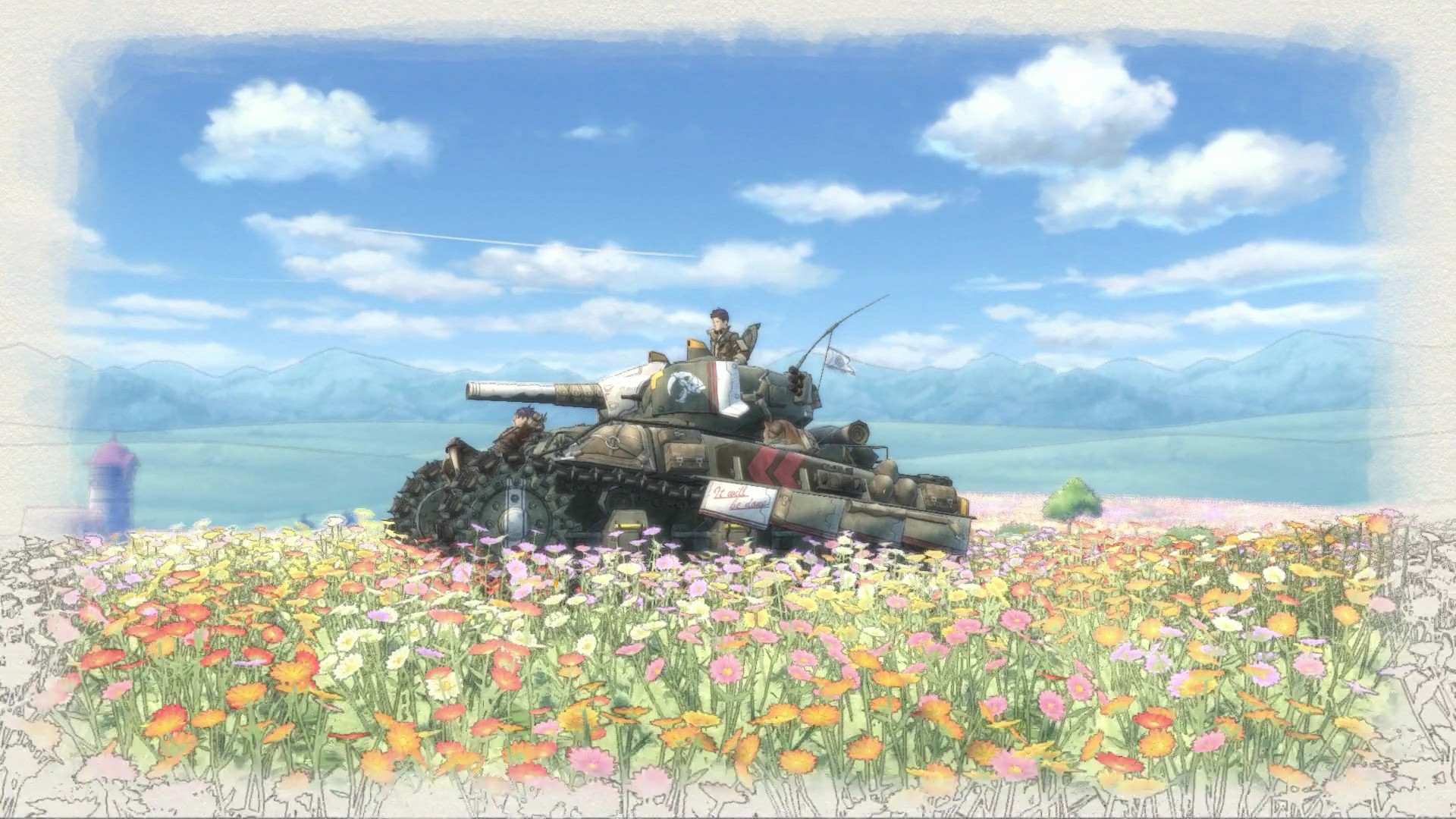
Joining Claude are several memorable members of Squad E, including his childhood friends Riley and Raz, along with Kai Schulen, the unit’s calm and mysterious sniper. As the campaign progresses, Squad E encounters not only the very harsh realities of war, but also political realities within the Federation, experimental Imperial weapons, and the continued mystery surrounding the Valkyria themselves.
One aspect I particularly appreciated was the change in perspective. While Gallia served as an excellent setting for the first three games, seeing the war from the Federation’s point of view helps expand the world of Europa in meaningful ways. Rather than fighting a defensive campaign against an invading force, Squad E is part of a full-scale military offensive. The battles feel larger in scale, the objectives more ambitious, and the consequences of failure considerably greater.
Interestingly, despite taking place during the same period as the original Valkyria Chronicles, the game does an admirable job of telling its own story. There are references to events occurring elsewhere in Europa and returning characters make appearances through downloadable content, but for the most part Valkyria Chronicles 4 stands comfortably on its own. Newcomers can begin here without feeling completely lost, while long-time fans will appreciate the numerous connections to earlier entries.
Initially, I wasn’t entirely convinced by the game’s cast. Coming off Valkyria Chronicles 3, whose darker tone and cast of military outcasts remains one of my favourites in the franchise, Squad E felt comparatively straightforward. As the campaign progresses and the characters were given opportunities to develop, I found myself becoming increasingly attached to them.
Without venturing too deeply into spoiler territory, Valkyria Chronicles 4 succeeds in balancing quieter moments between Squad E with the larger military campaign. The relationships between the main cast develop naturally throughout the story, and by the latter half of the game I found myself considerably more invested in their journey than I had expected during the opening chapters.
Although I still believe the original Valkyria Chronicles and Valkyria Chronicles 3 tell stronger overall stories, Valkyria Chronicles 4 does an excellent job establishing its setting and introducing a cast that gradually earns its place alongside the best characters in the series. By the time the campaign reaches its final chapters, it becomes clear that the game’s greatest strength is not simply the scale of Operation Northern Cross, but the bonds that develop between the members of Squad E as they endure it together.
Gameplay
If there is one area where Valkyria Chronicles 4 unquestionably succeeds, it is the gameplay.
Rather than reinventing the formula, Sega wisely chose to build upon the mechanics introduced throughout the previous three games. The result is a title that feels immediately familiar to anyone who has played the earlier entries while simultaneously introducing enough new ideas to keep battles engaging from beginning to end.
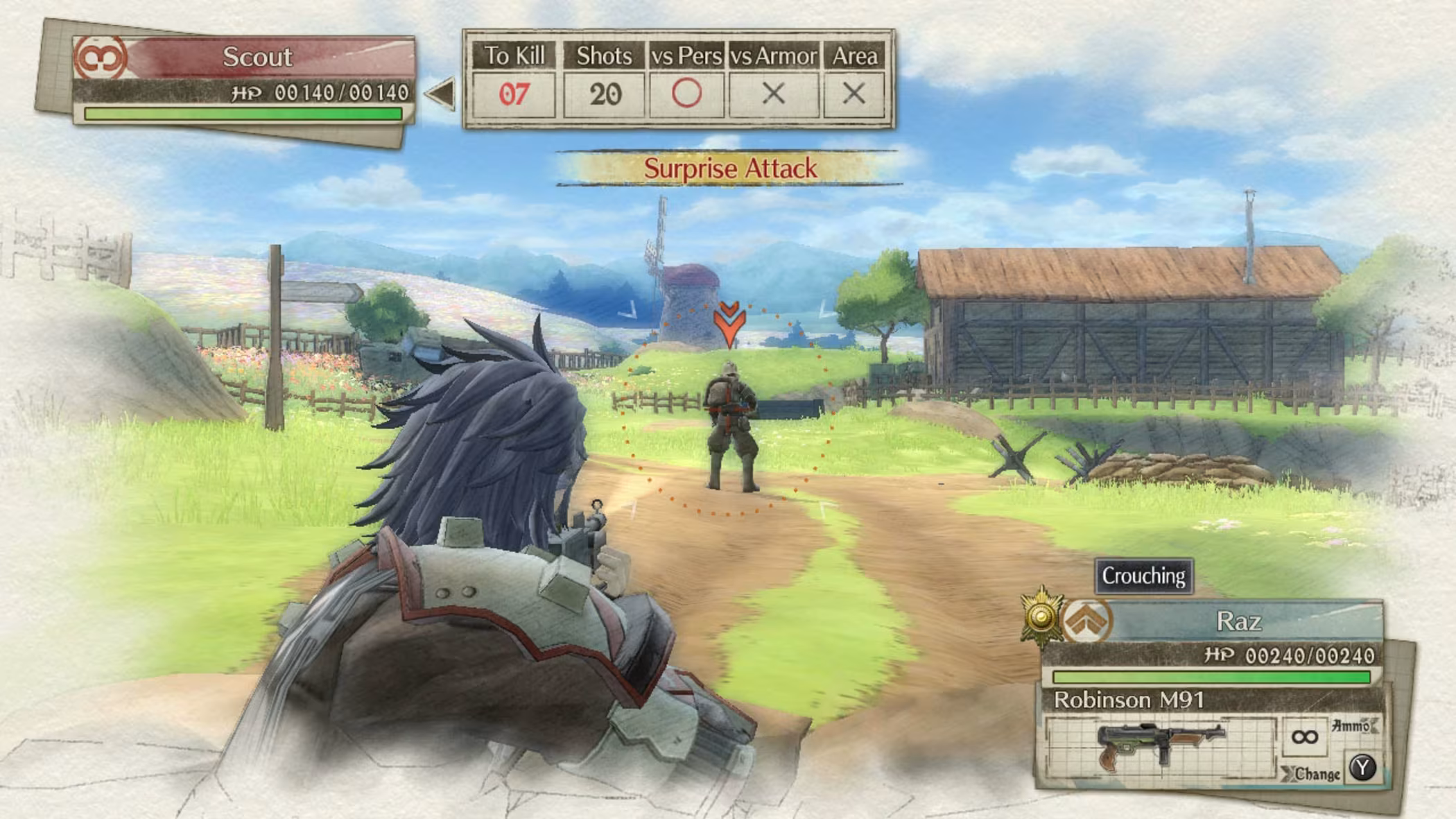
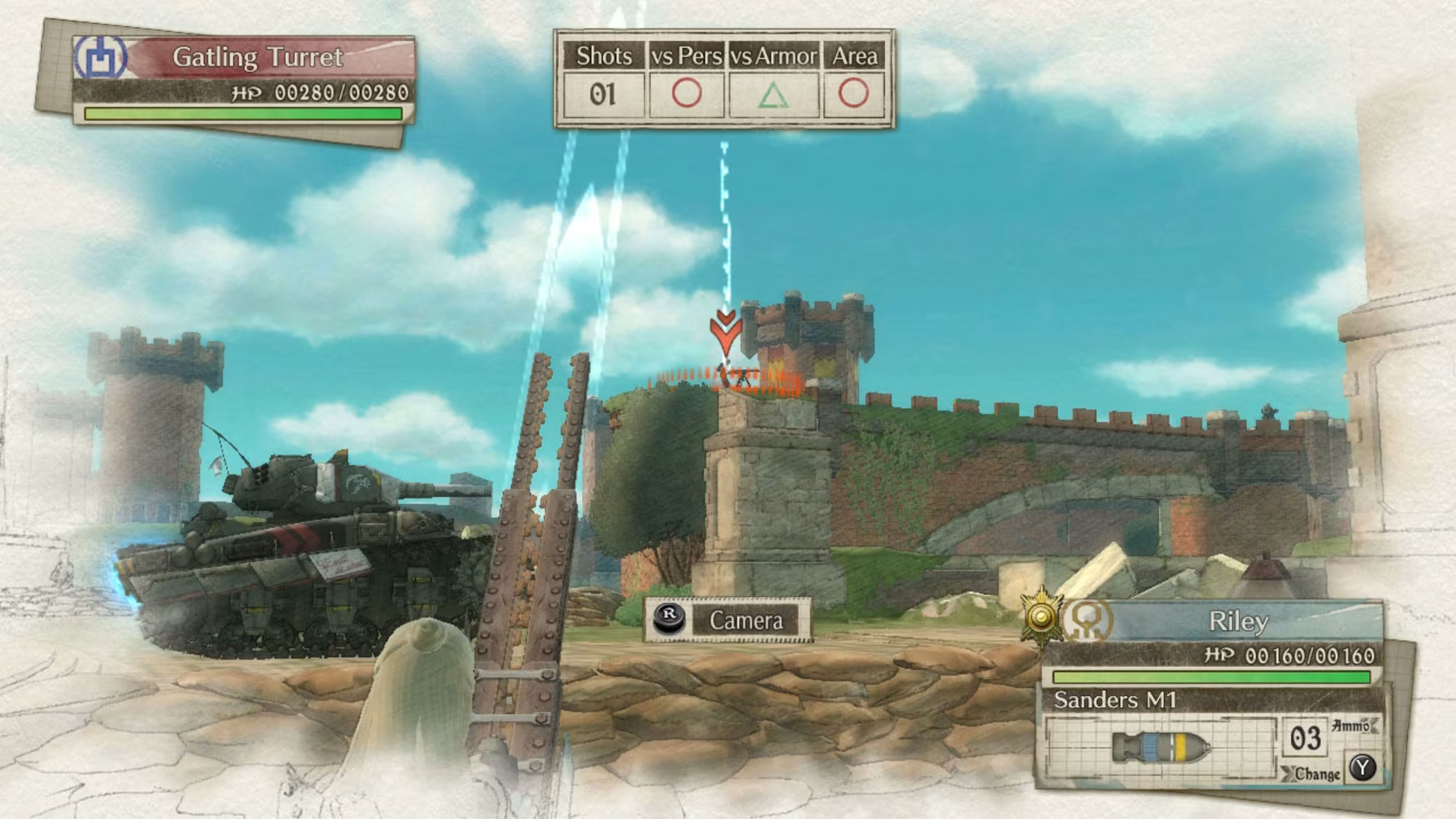
The series’ signature BLiTZ battle system returns largely unchanged. Players alternate between Command Mode, where they spend Command Points to deploy or activate units, assign Orders, and Action Mode, where they directly control individual squad members on the battlefield.
One of the most welcome additions is the introduction of the Grenadier class and removal of some of the tertiary classes that were used in Valkyria Chronicles 2 and 3, such as the Armoured Tech, Fencer, Medic, and Anthem Corps.
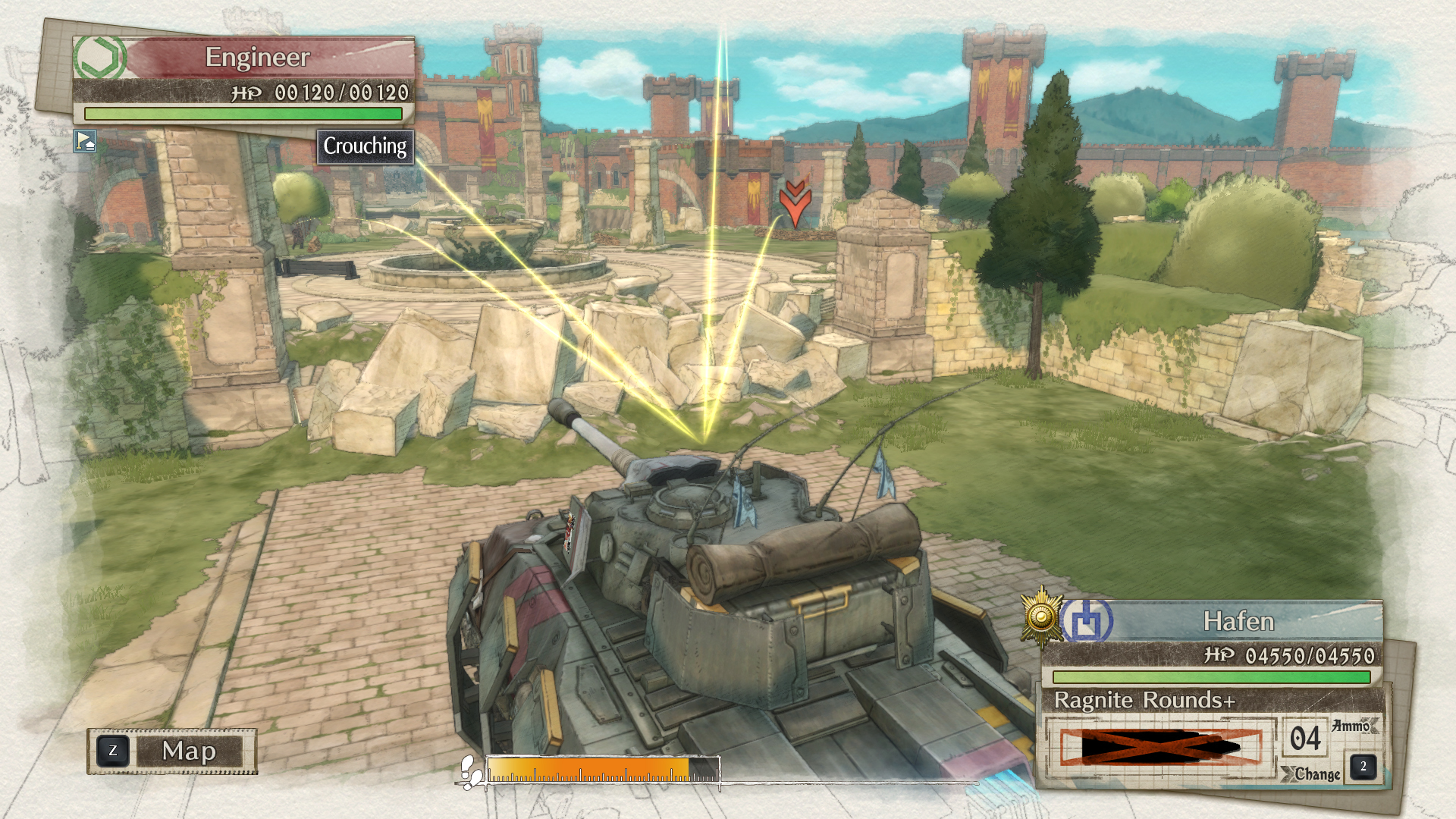
Initially I wasn’t entirely sure how useful the Grenaider class would be. By the end of the game, however, I found them to be one of the most versatile units in the player’s arsenal. Their indirect fire allows them to eliminate entrenched enemies, destroy defensive positions, and soften heavily defended objectives before the rest of Squad E advances. Unlike the Lancers, whose primary purpose is destroying armoured vehicles, Grenadiers remain useful throughout almost every mission.
Another area where Valkyria Chronicles 4 benefits greatly is its continued refinement of the customization systems introduced in Valkyria Chronicles 2 and expanded upon in Valkyria Chronicles 3. Before replaying the earlier games, I had forgotten that later entries allowed players to modify equipment and vehicles directly from the squad selection screen before beginning a mission. It is a relatively small quality-of-life improvement, but one that significantly streamlines preparation and reduces unnecessary trips between menus.
The vehicle customization system also continues to evolve. Rather than treating the tank as little more than another unit on the battlefield, Valkyria Chronicles 4 encourages players to tailor its performance to their preferred style of play through a variety of upgrades and equipment. Combined with improvements to infantry equipment and squad management, the game offers the greatest level of tactical flexibility the series has seen.
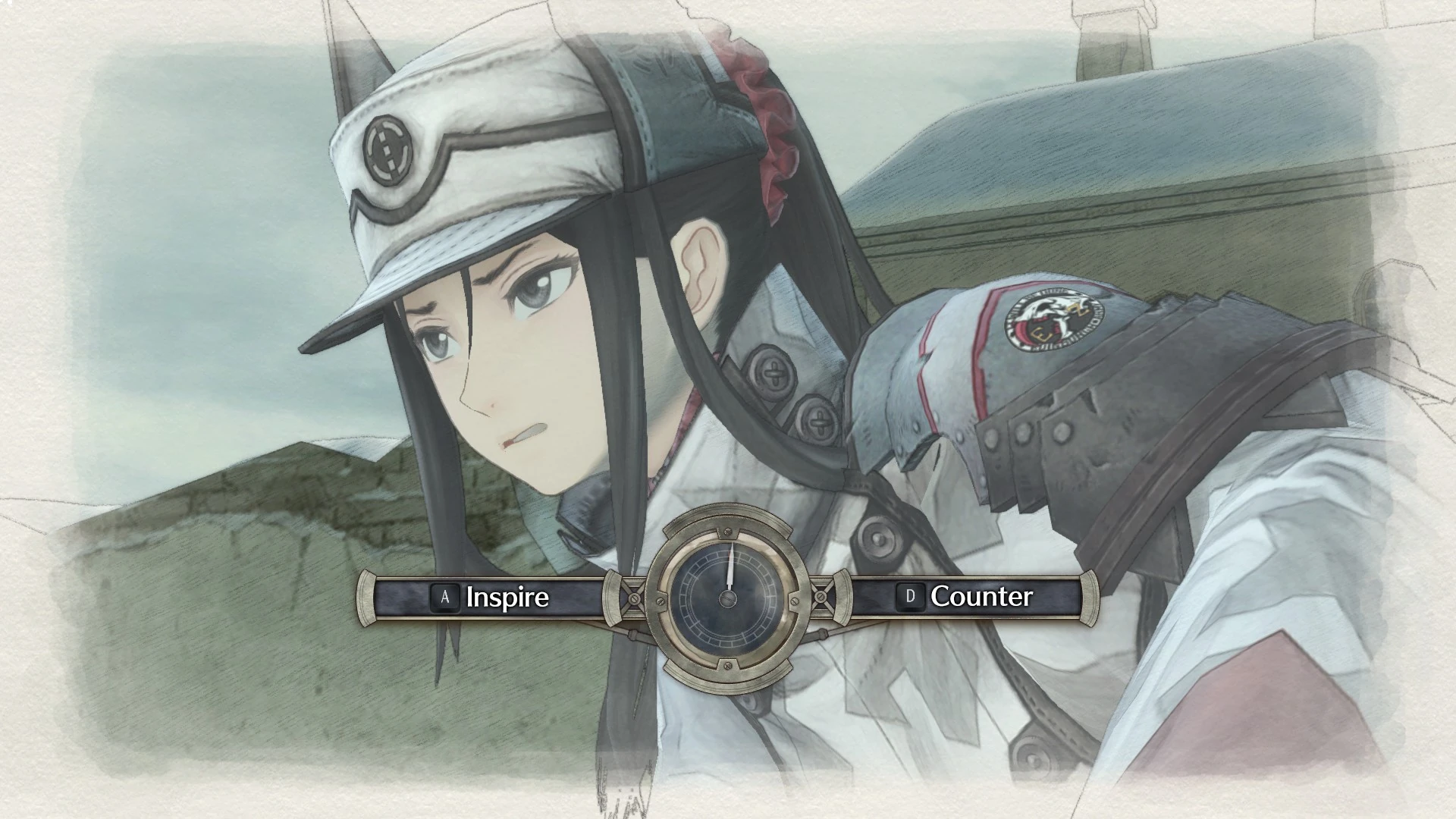
Mission design also deserves praise.
The snow-covered battlefields of the Empire provide a refreshing contrast to the environments seen in previous games. The harsh climate, narrow mountain passes, and fortified Imperial positions create encounters that often require more careful planning than simply rushing a Scout toward the enemy headquarters. While a few missions can still be completed through the series’ traditional “Scout rush” strategy, many objectives encourage players to make use of the full range of classes available.
Perhaps most importantly, Valkyria Chronicles 4 simply feels refined.
After three previous entries, the developers clearly understood what worked and what did not. Menus are more intuitive, gameplay systems are easier to understand, and battles flow more naturally than ever before. Very few mechanics feel unnecessary or underdeveloped, giving the impression that the team carefully examined every previous game before deciding what to keep and what to improve.
If I have one criticism of the gameplay, it concerns the final battle.
Compared to the concluding missions of the previous games, particularly Valkyria Chronicles and Valkyria Chronicles 3, I found the final confrontation surprisingly straightforward. While it certainly provides a conclusion to the campaign, it never reached the same level of challenge as some of the series’ earlier finales. Given how demanding many of the preceding missions were, I was expecting a more difficult final encounter.
Overall, however, Valkyria Chronicles 4 represents the culmination of nearly a decade of refinement. It takes the strongest gameplay ideas introduced throughout the series, adds several meaningful improvements of its own, and produces what I believe is the finest gameplay experience the franchise has offered to date.
Story and Characters (Spoilers)
Warning: The remainder of this section discusses major story spoilers for Valkyria Chronicles 4.
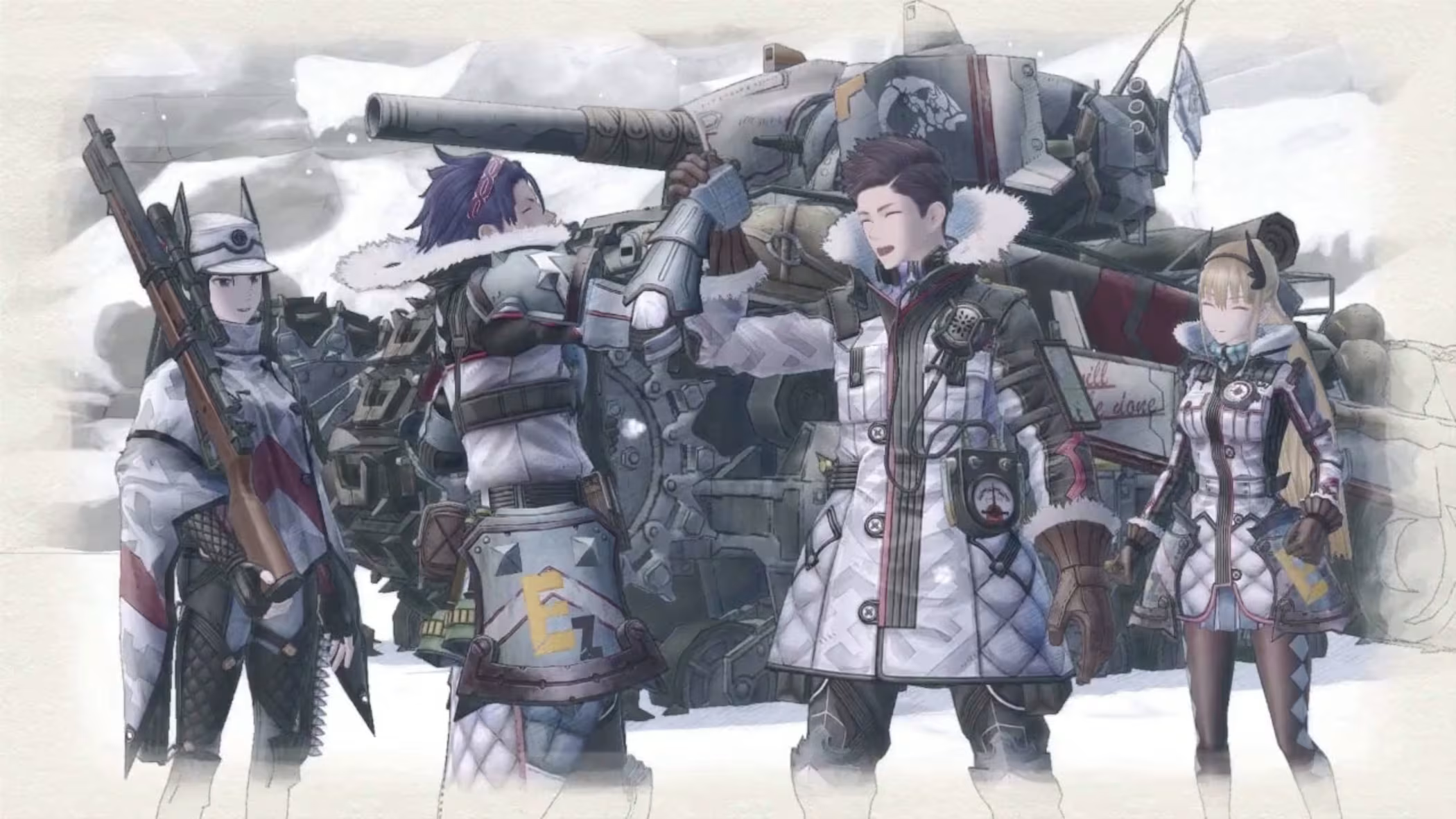
When I first began Valkyria Chronicles 4, I wasn’t entirely convinced by its story.
The opening chapters are enjoyable enough, but after experiencing the original Valkyria Chronicles and particularly Valkyria Chronicles 3, I couldn’t help but feel that something was missing. Around Chapter 3 or 4, I actually put the game aside for quite some time before eventually returning to continue Squad E’s campaign.
Unfortunately, shortly after picking the game back up I made the mistake of browsing Reddit and had one of the game’s biggest moments spoiled for me: The ending of Chapter 16.
Ordinarily I would expect a spoiler of that magnitude to lessen the emotional impact of the scene. Surprisingly, it didn’t.
If anything, it made me appreciate the writing even more, especially as it continues the series’ trend of killing off an important character - Isara, Juliana, Gusurg, and now Raz.
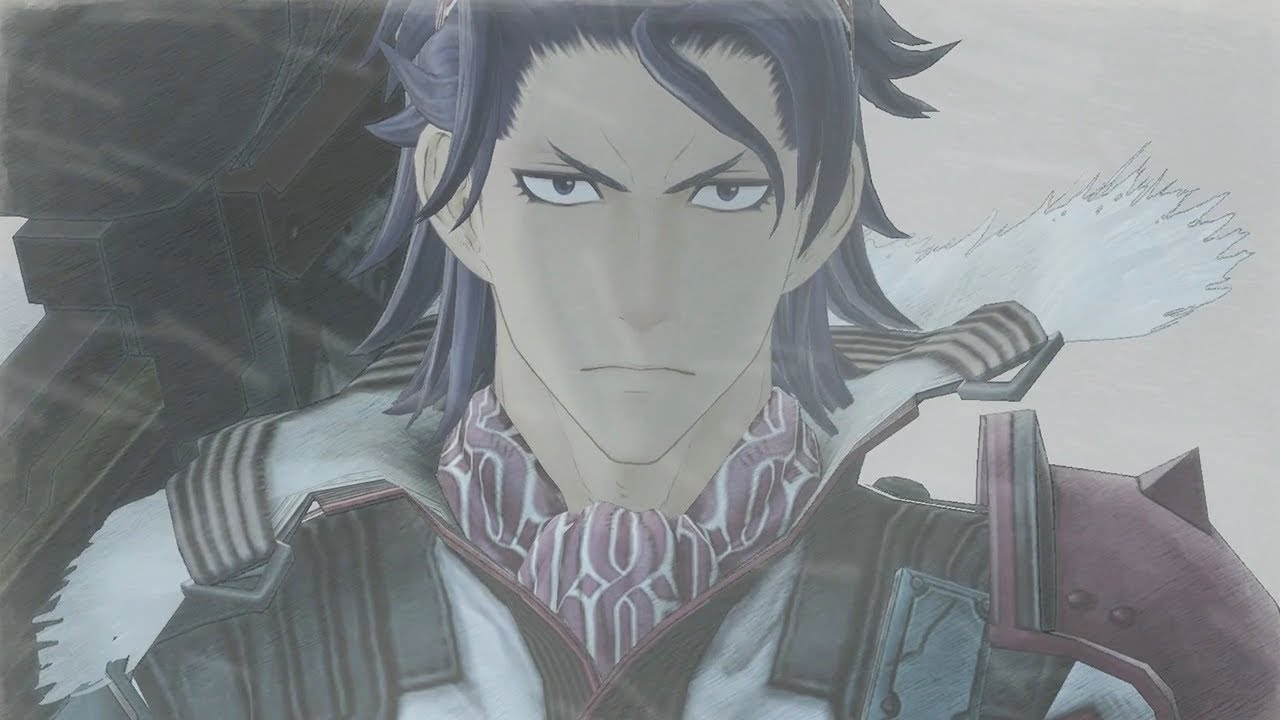
Raz’s sacrifice in Chapter 16 felt earned. Rather than existing purely for shock value, his decision reflected the kind of person he had become over the course of the campaign. It was an act of selflessness made for his friends, his comrades, and ultimately his country.
Looking back across the four Valkyria Chronicles games, I would probably rank Raz’s death as the second most emotionally impactful in the series, behind only Isara’s death in the original Valkyria Chronicles[^1: The others being Juliana in Valkyria Chronicles 2, Gusurg in Valkyria Chronicles 3]. While I still believe Isara’s death remains the emotional high point of the franchise, Raz’s final moments come remarkably close.
One aspect I particularly appreciated after completing the game was how Raz is handled in New Game Plus.
Unlike many games that simply return every character to the player’s roster immediately, Valkyria Chronicles 4 initially removes Raz from your squad entirely, outside of a single mission he is not available. The same applies for the character that pairs with Raz in Chapter 16, however the process to get that character back is simple - you end up visiting something akin to a cemetery and pay in-game points to resurrect that character and any other permanent deaths that occur during the campaign.
With resurrecting Raz, players must replay portions of the story, unlock specific events, and eventually recruit him by spending points that you generate in New Game Plus. It is a surprisingly thoughtful touch that they acknowledge what happened during the story instead of pretending it never occurred.
The game’s conclusion also exceeded my expectations.
Without delving too deeply into every detail, I found the final operation surprisingly thought-provoking. Squad E is essentially tasked with delivering what amounts to the Europa equivalent of an atomic bomb directly into the Imperial capital. Considering that the game’s developers are Japanese, and that Japan remains the only nation to have suffered atomic bombings during wartime, I couldn’t help but wonder whether that historical context influenced how the ending was written.
What makes the finale particularly effective is that it never presents the decision as an easy one.
Claude is understandably reluctant to carry out the mission, knowing that it will result in the death of Angie. Minerva, having witnessed the deaths of countless comrades throughout the campaign, views it as the only realistic way to end the war. Neither perspective is presented as entirely right or entirely wrong. Instead, the player is left to wrestle with the same moral dilemma facing the characters themselves.
To me, this is some of the strongest storytelling the series has produced. That isn’t to say every narrative decision worked perfectly.
I never completely bought into Claude and Riley’s romantic relationship. Their friendship felt believable, but the romantic aspect never resonated with me in the same way that Welkin and Alicia’s relationship did in the original game. The latter developed naturally over the course of the story, whereas Claude and Riley’s relationship often felt more like an expectation than an organic progression.
Likewise, I found myself wanting more from several aspects of the game’s lore.
Early on I was convinced that Minerva herself would eventually be revealed as a Valkyria. Between her red hair and striking appearance, she reminded me of characters such as Selvaria Bles and Riela Marcellis from previous entries. While that ultimately wasn’t the direction the story chose, it speaks to how much I was trying to piece together the broader mythology as the game progressed.
Similarly, I had hoped the story would further explore Nikola and Chiara and the process through which they had been “fine-tuned.” Given the importance of Valkyria experimentation throughout the series, it felt like an area that deserved greater attention.
I also wished the game had expanded further on the Federation itself. By placing players within its military, Valkyria Chronicles 4 had a unique opportunity to explore its politics, its relationship with Vinland, and the growing understanding of the Valkyria. By the time this game takes place, Selvaria’s appearance in the original game and Alicia’s awakening should already have fundamentally changed how both major powers viewed the Valkyria, as the original game seems to hint that the presence of Valkyria are something of a myth, rather than a reality.
One pleasant surprise, however, was Crymaria.
Despite serving as one of the game’s principal antagonists, I appreciated that her story ultimately found a degree of hope rather than ending in complete tragedy. Considering the treatment many previous antagonists received throughout the series, her conclusion felt compassionate.
Even Kai’s storyline managed to surprise me. During the opening chapters I genuinely believed the game was setting up an entirely different backstory for the character than what was ultimately revealed. Instead, the truth behind Kai proved considerably more nuanced and ultimately strengthened one of the game’s central relationships.
Downloadable Content and Returning Characters
Although Valkyria Chronicles 4 is an excellent game on its own, I don’t think I fully appreciated just how much affection I still have for the original cast until I began playing the downloadable content.
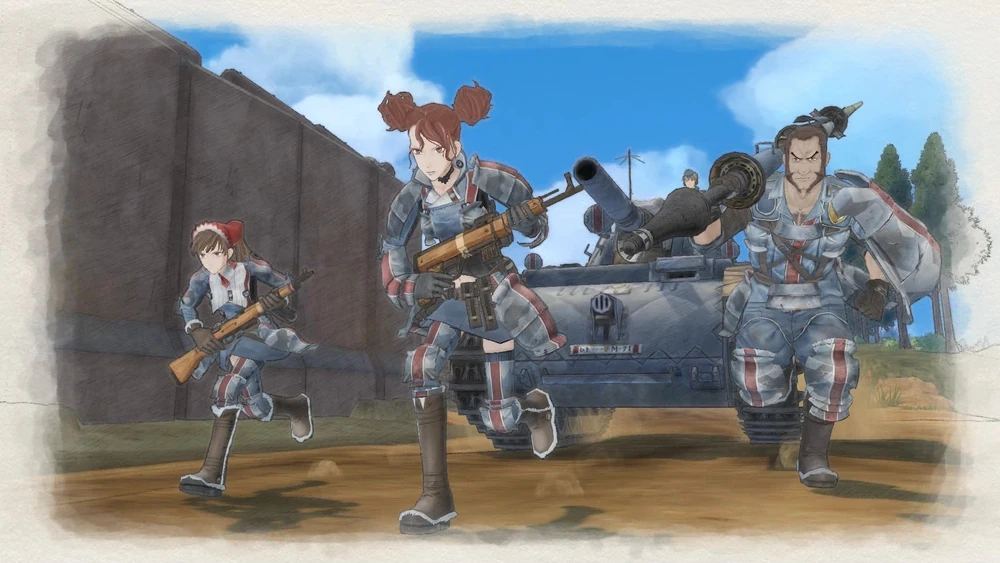
After reaching roughly the middle of the campaign, I decided to purchase the DLC, particularly the missions featuring Squad 7 from the original Valkyria Chronicles. I wasn’t expecting them to have much of an impact on my overall experience with the game.
I couldn’t have been more wrong.
The moment the familiar music from the original game began to play, I immediately felt a wave of nostalgia hit me. It was genuinely exciting to once again control Welkin, Alicia, Largo, Rosie and the rest of Squad 7 on a home console. It reminded me just how memorable the original game’s cast remains more than a decade after its release.
Interestingly, this was also the point where I decided to switch from the Japanese voices to the English dub.
Generally speaking, I almost always prefer to experience Japanese games in their original language. There is simply something about hearing the performances as they were originally intended that I find more authentic, even if it means relying on subtitles. That said, I was pleasantly surprised by just how strong the English dub proved to be.
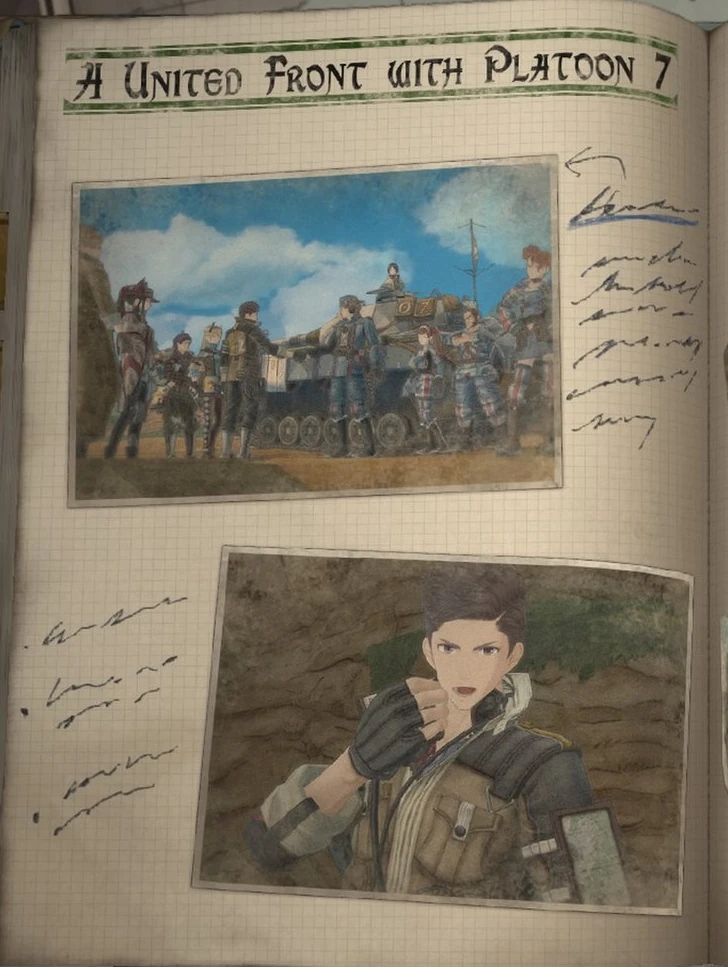
When I first played the original Valkyria Chronicles, I found a few of the English voices somewhat distracting. Alicia, in particular, always sounded slightly higher-pitched than her Japanese version.
Returning to those characters in Valkyria Chronicles 4, however, I felt the localization team had done an excellent job. Rather than simply translating the dialogue, the English cast captured the personalities of the characters remarkably well. By the end of the game, I found myself switching comfortably between both languages without feeling that I was sacrificing much of the original performances. The ironic thing is that they apparently recast the entire set of primary members of Squad 7 for this particular downloadable content, with the exception of Alicia, which is kind of ironic because I thought they changed her voice and not the others. 
The beach-themed downloadable content was another pleasant surprise.
I will freely admit that when I first saw it, I expected it to follow the rather predictable fan-service approach common in many Japanese games. Instead, I appreciated that it struck a far more balanced tone. Rather than focusing exclusively on the female characters, both the men and women participated equally in the light-hearted events. Seeing Claude and Raz equally involved helped prevent the content from feeling overly one-sided, allowing it to remain a fun diversion without becoming distracting.
If I have one disappointment regarding the downloadable content, it is that Sega largely stopped with the original cast.
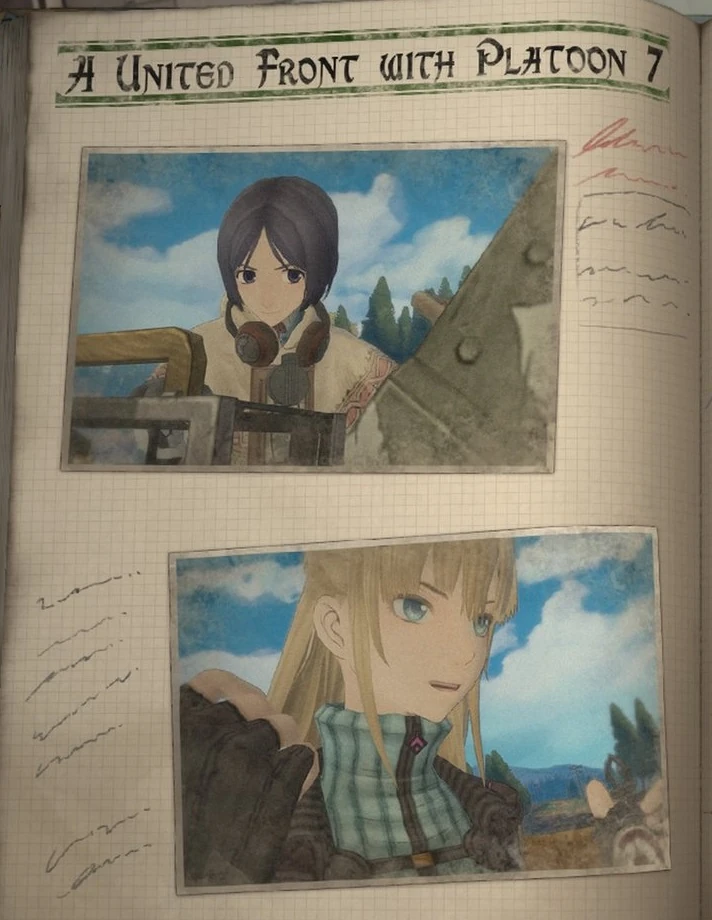
While it was wonderful seeing Squad 7 again, I found myself wishing the developers had gone one step further by including other Squad 7 members, as well as characters from Valkyria Chronicles 2 andValkyria Chronicles 3. Considering that the third game never received an official English localization, bringing characters such as Kurt, Imca, Riela and the rest of Squad 422 into Valkyria Chronicles 4 would have been a wonderful way to introduce them to a broader audience. Likewise, it was disappointing that the Edy Detachment content featured only Edy herself rather than the entire squad that became so popular in the original game’s downloadable missions.
The DLC also reminded me how interconnected the series has become.
Throughout Valkyria Chronicles 4, there are numerous opportunities to expand upon the wider lore of Europa. I found myself hoping we would learn more about Selvaria’s past, particularly after the anime adaptation hinted at her (and Alicia’s) presence in Imperial research facility (or orphange) before the events of the original game. Likewise, I was curious to see whether the game would further develop the mythology surrounding the Valkyria or explain more about nations such as Vinland,which is a stand-in for USA. While some of these questions remain unanswered, they demonstrate just how rich the world’s history has become across four mainline games.
Ultimately, the downloadable content succeeds because it complements rather than overshadows the main campaign. It serves as a reminder of how far the franchise has come while simultaneously celebrating the characters that helped establish it. For long-time fans, it is difficult not to smile when Squad 7 marches onto the battlefield once again.
Where Valkyria Chronicles 4 Falls Short
As much as I enjoyed Valkyria Chronicles 4, it is not without its shortcomings. Interestingly, very few of my complaints relate to the gameplay itself. Instead, most revolve around the story, certain characters, and opportunities that I felt the developers missed.
Perhaps my biggest disappointment was the game’s primary antagonist.
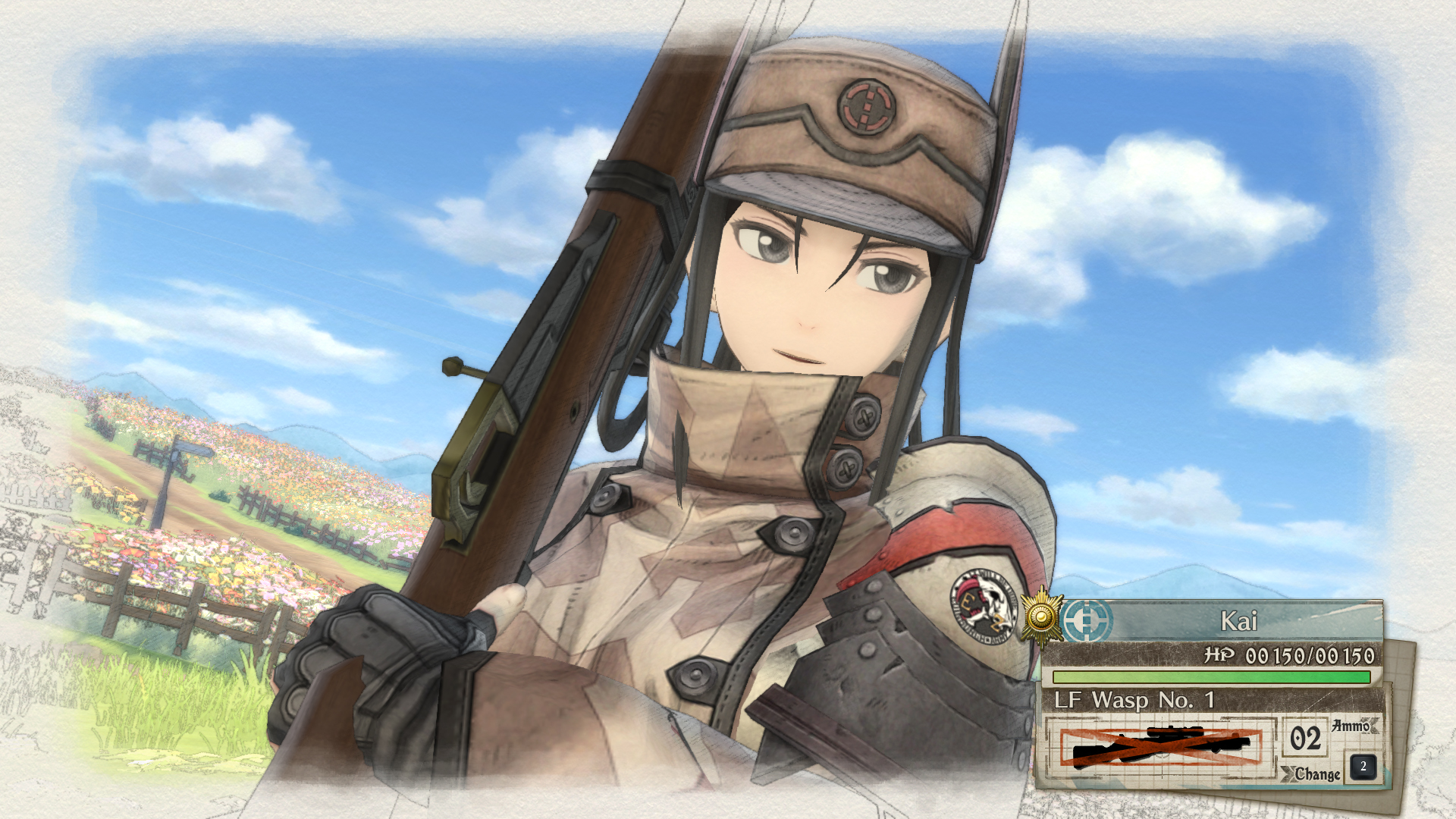
Without revealing too much beyond what has already been discussed, I never found him to be particularly memorable. Previous entries in the series featured antagonists like Maximilian, Baldren, Dahau, or Gusurg, each of whom possessed motivations that made them interesting beyond simply serving as obstacles for the player. By comparison, Valkyria Chronicles 4’s main villain never quite reached the same level. While the Imperial forces themselves remain an imposing threat throughout the campaign, I felt the main antagonist lacked the presence needed to leave a lasting impression, with the tertiary antagonist leaving a far more relevant presence.
Another aspect that never completely resonated with me was the romance between Claude and Riley.
The two certainly share history together, and their friendship is believable from the beginning of the game. However, I never found myself fully invested in their relationship as a couple. Claude and Riley’s romance felt more like something the story expected the player to accept rather than something that grew organically over time.
I also found myself wanting the game to delve further into the broader mythology of Europa.
One of the strengths of the original Valkyria Chronicles was how mysterious the Valkyria initially appeared. Selvaria’s abilities completely changed the nature of the conflict, and Alicia’s awakening later in the story reinforced that these individuals were unlike anything either side had previously encountered.
By the time Valkyria Chronicles 4 takes place, which are in parallel to the events of Valkyria Chronicles, yet the presence of Valkyria are not as much of a secret as the original game led us to believe.
I would have liked to learn more about the research surrounding them, the experimentation taking place within both the Federation and the Empire.
Similarly, the game introduces several intriguing concepts without fully exploring them. These elements all contribute to Europa’s rich world-building, yet they often feel like the beginning of larger stories rather than complete explorations of those ideas.
There were also a few smaller disappointments.
While I thoroughly enjoyed seeing Squad 7 return through the downloadable content, I wished Sega had extended the same treatment to other characters from the the original game or anime (such as Vyse, Aika, Zaka, and Radi), Valkyria Chronicles 2 and Valkyria Chronicles 3.
Finally, I found the game’s “true ending” to be an odd design decision.
Locking the complete ending behind another completion of the final battle on Hard difficulty feels unnecessary. Fortunately, I didn’t find the last mission particularly difficult compared to the finales of previous games, in fact I felt as the missions prior to the final mission were more challenging (storming the capital, sabotaging the submarine), but I still question whether a story’s conclusion should be hidden behind an additional gameplay requirement.
None of these criticisms fundamentally diminish what Valkyria Chronicles 4 accomplishes. Instead, they stem from seeing just how close the game comes to being something truly exceptional. With a stronger antagonist, slightly more ambitious world-building, and a few additional callbacks to the rest of the franchise, I genuinely believe this could have been an almost flawless addition to the series’ mainline entries.
Conclusion
Looking back, I think my feelings toward Valkyria Chronicles 4 evolved more than they did with any other game in the series.
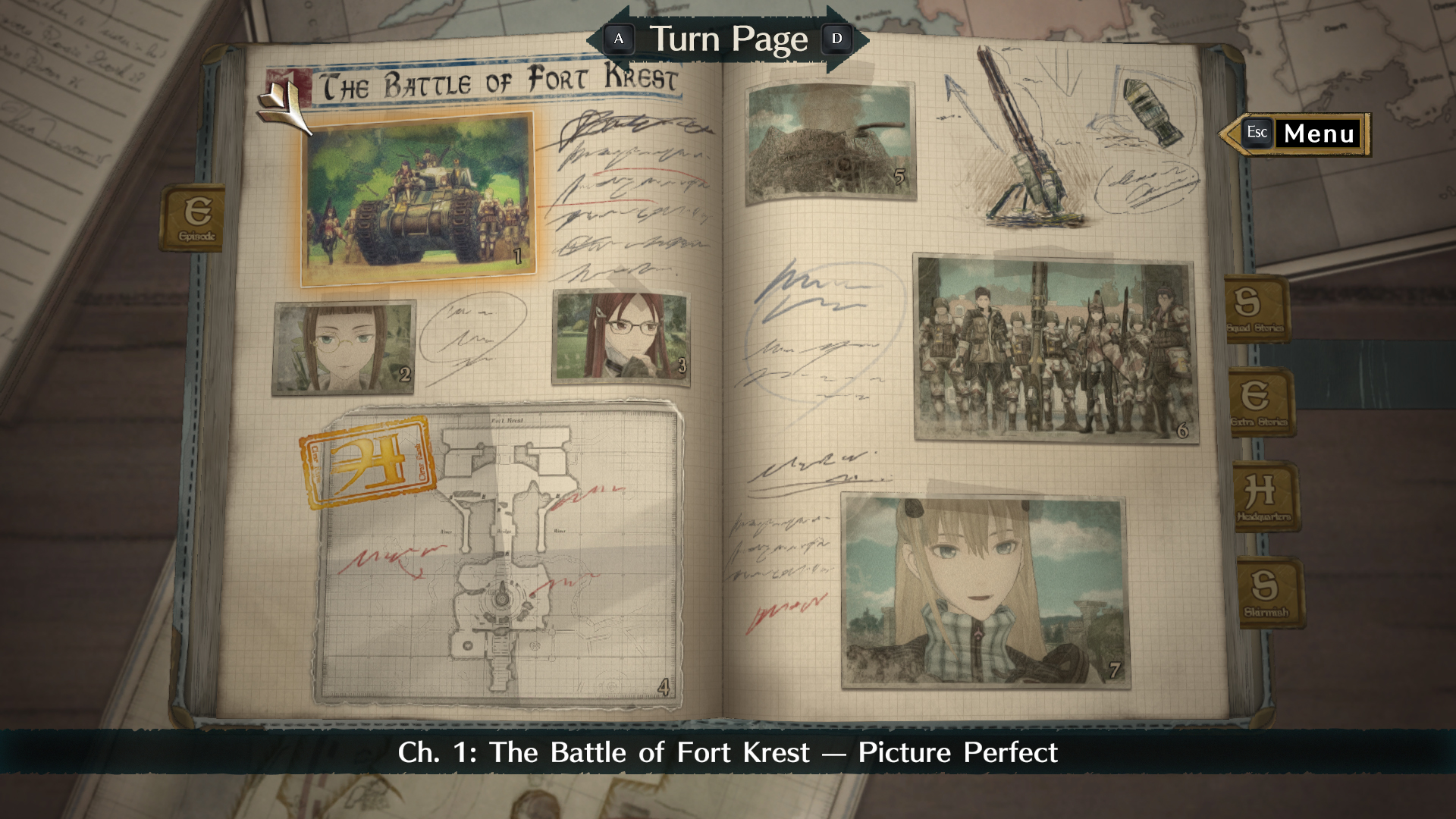
When I first started playing, I enjoyed what I was experiencing, but I wasn’t convinced it would surpass either the original Valkyria Chronicles or Valkyria Chronicles 3. By the time the credits rolled, however, my opinion had changed considerably.
What impressed me most about Valkyria Chronicles 4 was not any one individual element, but how well everything came together. The gameplay represents the culmination of over a decade of refinement, taking ideas introduced in previous entries and polishing them into what I believe is the finest tactical experience the series has offered. The story, while not without its flaws, contains some of the most memorable moments in the franchise, and Squad E gradually develops into one of the strongest casts Sega has created.
There are certainly areas where I believe earlier games still excel.
The original Valkyria Chronicles remains my favourite when it comes to its central story and emotional impact. Isara’s death remains, in my opinion, the most powerful moment the franchise has produced. Likewise, Valkyria Chronicles 3 tells a darker, more mature story with a cast that I found immediately compelling. Even after completing Valkyria Chronicles 4, I still believe those two games hold a slight advantage in terms of narrative.
Yet, despite those strengths, I keep coming back to the same conclusion.
Valkyria Chronicles 4 simply plays better than every game that came before it.
The addition of the Grenadier class, continued improvements to customization, refined mission design, quality-of-life enhancements, and the overall polish of the combat system combine to create the most enjoyable gameplay experience in the series. Even many of the ideas introduced in Valkyria Chronicles 2 and refined in Valkyria Chronicles 3 finally feel fully realized here.
It also reminded me just how much I enjoy the world Sega created.
Whether it was revisiting Squad 7 through the downloadable content, learning more about the Federation’s campaign against the Empire, or seeing another perspective on the Second Europan War, I found myself wanting to spend more time in Europa. If anything, my greatest disappointment is not with Valkyria Chronicles 4 itself, but with the fact that there hasn’t been a fifth mainline entry to continue expanding this fascinating world.
Having now completed all four mainline Valkyria Chronicles games, I can honestly say the journey has been well worth it. Each title contributes something unique to the series.
The original established one of the most memorable tactical RPGs ever created.
Valkyria Chronicles 2 introduced numerous gameplay improvements despite falling short narratively and selling so poorly in Europe and North America that the following game was never officially localized.
Valkyria Chronicles 3 returned the series to its darker roots while refining many gameplay mechanics.
Finally, Valkyria Chronicles 4 successfully combines the strongest elements of all three.
Ironically, the only related title I have left to experience is Valkyria Revolution, a game that, if community impressions are to be believed, is considered the weakest entry in the franchise and whether it is a part of the Valkyria Chronicles universe given that this game references it, but does not take place in the same world. Having heard so many mixed opinions over the years, I am genuinely curious to see whether it deserves that reputation and if it is worse than Valkyria Chronicles 2.
Until then, I think Valkyria Chronicles 4 stands as the culmination of everything the series had been building toward since 2008. While I still believe the original Valkyria Chronicles and Valkyria Chronicles 3 tell slightly stronger stories, Valkyria Chronicles 4 combines outstanding gameplay, memorable characters, meaningful emotional moments, and years of refinement into what I believe is the pinnacle of the franchise.
Rating:

One More Thing…
There was one aspect of Valkyria Chronicles 4 that continued to occupy my thoughts long after I had finished the game, and it wasn’t a particular battle or even one of the character deaths.
It was the ending itself.
As Squad E advances toward the Imperial capital, they eventually find themselves escorting what is, for all intents and purposes, Europa’s equivalent of an atomic bomb. The objective is straightforward: deliver the weapon into the heart of the Empire and bring the war to an end by activating the bomb.
What struck me most wasn’t simply the existence of such a weapon, but how the game approaches the moral dilemma surrounding its use.
Claude is understandably reluctant once he discovers the reality of their mission. Even in the closing stages of the war, he hesitates at the idea of unleashing a weapon capable of causing such widespread destruction. In contrast, Minerva, having watched countless comrades die throughout Operation Northern Cross, believes there is no other alternative. From her perspective, ending the war as quickly as possible and ending the Imperial threat permanently, even through such devastating means, is preferable to allowing the conflicts with the Empire to continue claiming more lives.
Neither character is portrayed as entirely right or entirely wrong.
Instead, the player is left to wrestle with the same impossible decision.
What makes this particularly fascinating is that Valkyria Chronicles 4 was developed by a Japanese studio. Japan remains the only nation to have suffered atomic bombings during wartime, making it difficult not to wonder whether that historical experience influenced how the writers approached the finale.
The game never glorifies the weapon.
Nor does it present an easy answer.
Instead, it asks whether ending a war through overwhelming force can ever truly be justified if it ultimately saves lives that would otherwise be lost in a prolonged conflict. It is a surprisingly mature question for a series that, despite its stylized visuals, has always explored the human cost of war.
To me, this sequence perfectly captures what has always made Valkyria Chronicles special.
Beneath its colourful art style, memorable characters, and satisfying tactical gameplay lies a series that is unafraid to ask difficult questions. Rather than presenting war as a conflict between heroes and villains, it repeatedly reminds the player that every decision carries a human cost.
I finished Valkyria Chronicles 4 expecting to remember the battles.
Instead, I found myself remembering the questions it asked.